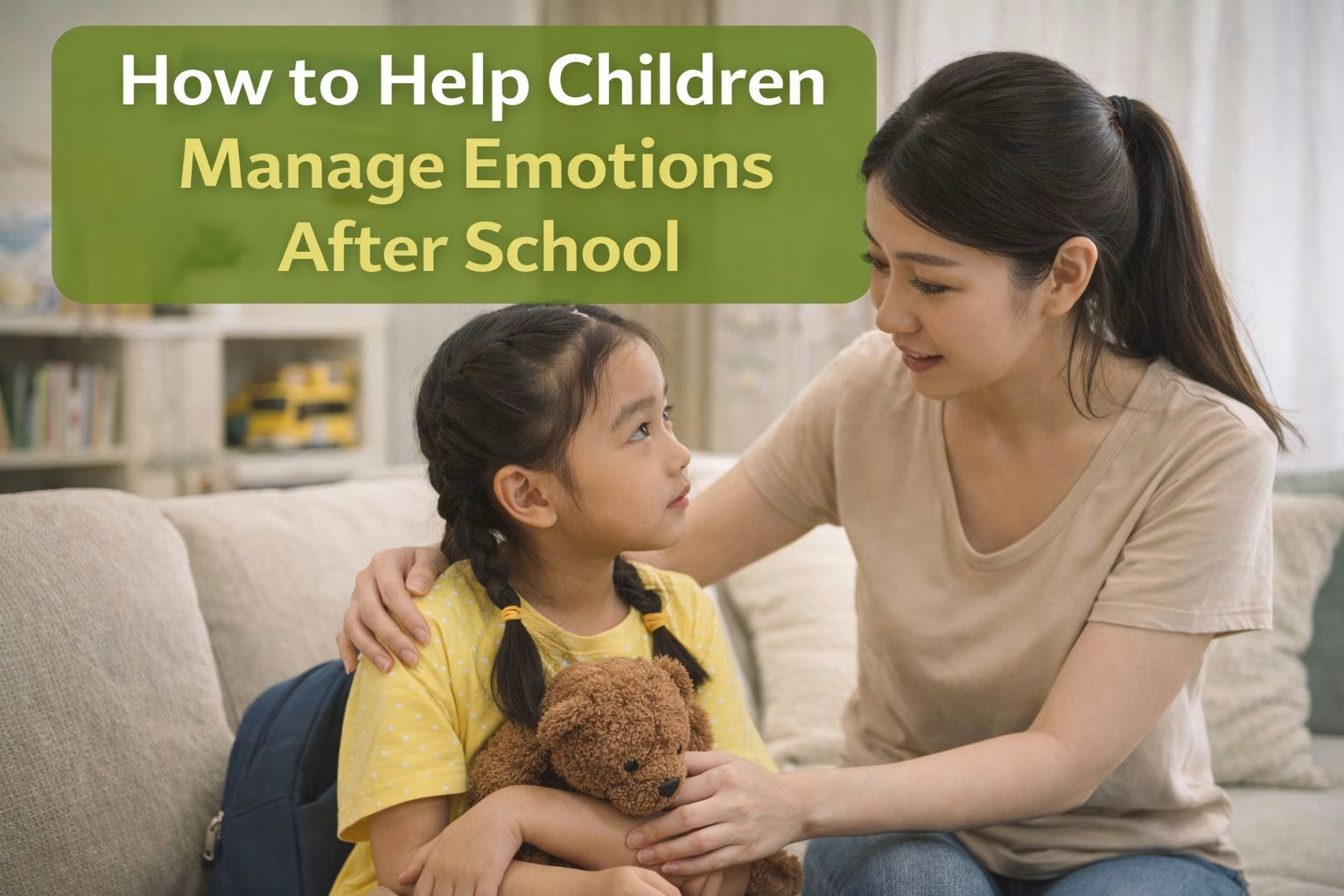
After school can be one of the most emotionally challenging times for children.
They may feel:
- Tired
- Overstimulated
- Frustrated
- Sensitive
This is completely normal.
- Recognize Emotional Fatigue
Children spend hours:
- Following instructions
- Managing social interactions
- Completing tasks
By the end of the day, their emotional capacity is often reduced.
- Create a Transition Routine
A consistent after-school routine helps children reset.
This may include:
- Quiet time
- Snack time
- Simple activities
- Allow Space for Expression
Children express emotions in different ways:
- Talking
- Drawing
- Movement
Not all children will express emotions verbally.
- Avoid Immediate Correction
When children are emotional, they need:
 Understanding first
Guidance later
- Model Emotional Awareness
Children learn by observing adults.
Simple phrases like:
- “I see you’re feeling frustrated”
- “It’s okay to feel this way”
can help children feel understood.
- Build Emotional Skills Over Time
Emotional regulation is not instant.
It develops through:
- Repetition
- Safe experiences
- Guided support
- A Structured Emotional Development Approach
At Sapling Grove, emotional development is part of daily learning.
Through our approach, children:
- Learn to recognize emotions
- Express themselves safely
- Build confidence over time
This is supported through:
- Mind Steps program
- Art Therapy sessions
- Emotional guidance from trained mentors
- A Calm Cornerfor self-regulation
Conclusion
Helping children manage emotions is not about control —
it is about understanding and guidance.
With the right support, children can become more aware, resilient, and confident.
If you are looking for a student care environment that supports emotional development,
we invite you to visit Sapling Grove.