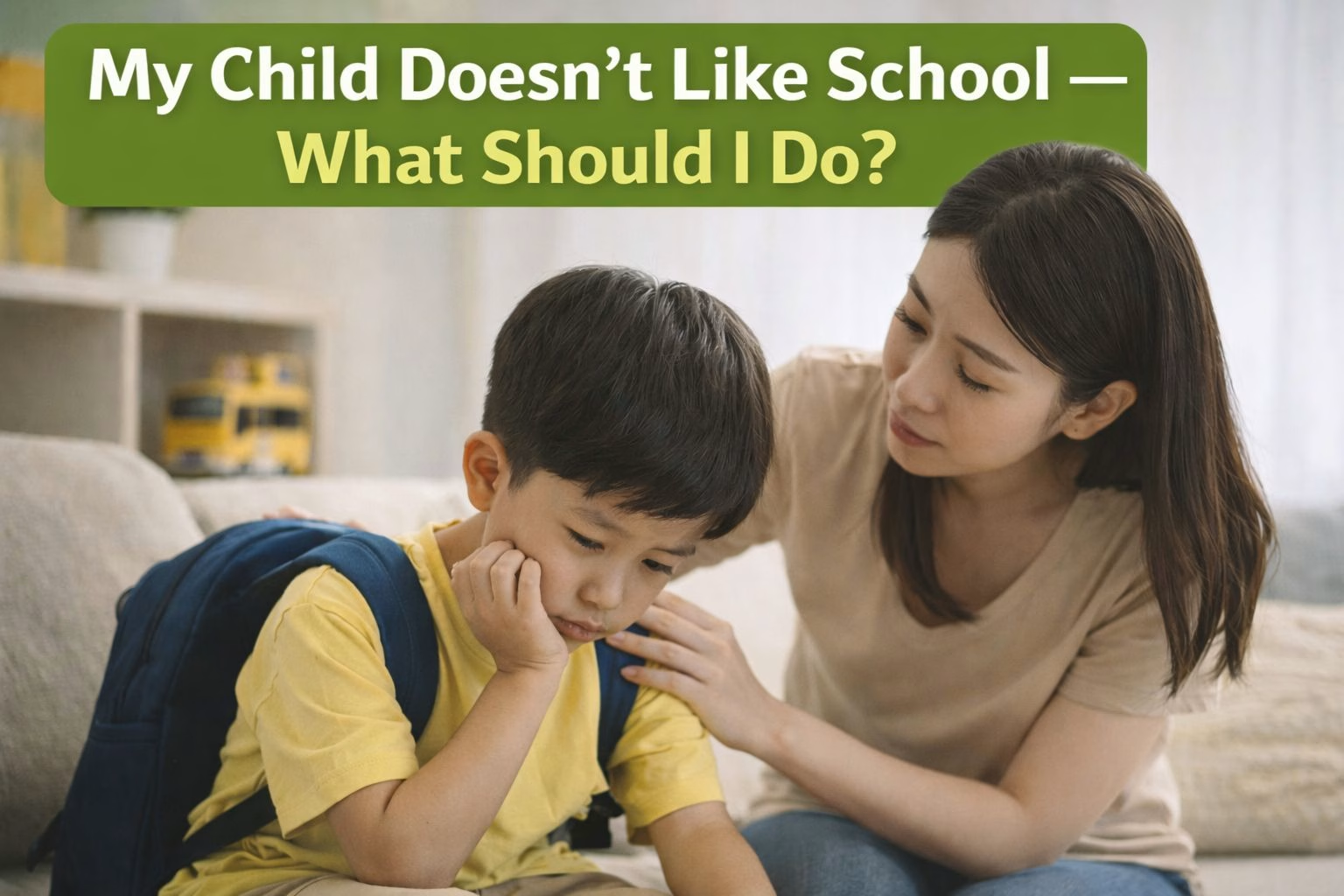
It can be worrying when your child says they don’t like school.
Some children may:
- Refuse to go
- Feel anxious
- Lose interest in learning
- Become easily frustrated
This is more common than many parents realise.
- Understand the Root Cause
Children rarely dislike school “for no reason”.
Common reasons include:
- Difficulty understanding lessons
- Social challenges
- Feeling overwhelmed
- Lack of confidence
- Focus on Emotions, Not Just Behavior
Instead of asking:
 “Why don’t you want to go?”
Try:
“How do you feel when you’re in school?”
This helps children open up without pressure.
- Create a Safe Space After School
After school is a critical window.
Children need:
- Time to decompress
- A safe environment
- Supportive adults
- Build Confidence Through Small Wins
Confidence grows gradually.
Encourage:
- Trying new things
- Completing small tasks
- Expressing ideas
- Avoid Overloading with Pressure
Too much pressure can increase resistance.
Children who feel constantly evaluated may:
- Withdraw
- Lose motivation
- The Role of a Supportive Environment
A positive after-school environment can make a big difference.
When children feel:
- Safe
- Understood
- Supported
they are more likely to regain confidence in school.
- A Structured Emotional Approach
At Sapling Grove, we support children through:
- Our Mind Steps program
- Guided emotional awareness
- A safe environment for expression
- A dedicated Calm Corner
We focus on helping children understand themselves —
not just pushing them to perform.
When a child struggles with school, it is not just an academic issue —
it is often an emotional one.
With the right support, children can rebuild confidence and rediscover interest in learning.
If your child is facing challenges after school,
we welcome you to visit Sapling Grove and explore how a supportive environment can help.